Research-informed reading
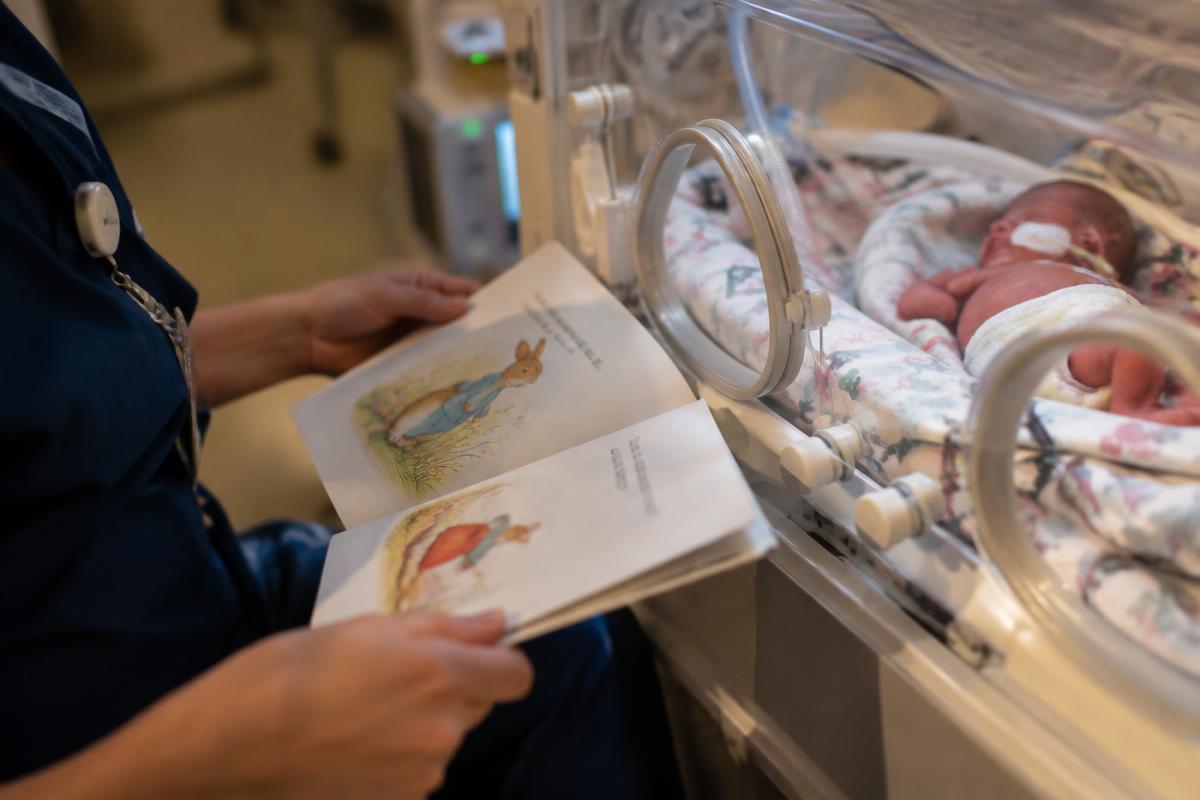
How Reading in the NICU Supports Babies and Parents
For NICU Awareness Month, a Pensacola team is building brain development, connection, and community one book at a time.
Read article & sources →

A closer look at the science of early development.
Trusted studies and expert sources behind everything we share about how young brains grow in the first three years.
For NICU Awareness Month, a Pensacola team is building brain development, connection, and community one book at a time.
Read article & sources →
Newborns see best 8–12 inches away and love faces and high contrast. See how your baby’s vision, color, and depth perception develop in the first year — with simple ways to help.
Read article & sources →
Why trust, consistent caregivers, and responsive relationships matter so much in the first three years.
Read article & sources →
A child can have a completely typical face, a typical IQ, and still be living with a brain difference that nobody can see.
Read article & sources →
Discover how screen time rewires the brain in early childhood. Learn about the "digital pacifier," the dopamine loop, and strategies to build resilience.
Read article & sources →
By Stephanie Montgomery, Ed.D. I’ve been working in early childhood education for over three decades, and I am no stranger to the compounding effects both […]
Read article & sources →
As a parent, you want to give your child the best possible start in life. You carefully choose the right foods, create safe spaces for […]
Read article & sources →
Research shows the foundation for reading is oral language — and that foundation is built through everyday interactions.
Read article & sources →
I've seen firsthand the profound impact that early experiences, particularly those related to language, have on building brighter futures.
Read article & sources →
Every child deserves to have their story begin with words of welcome — and now we have the science to prove why this matters.
Read article & sources →
Healthcare Plus Podcast: How Healthcare Systems, Physicians, and Parents Can Support Early Childhood Brain Development.
Read article & sources →
Parentese is warm, sing-song speech using real words. Learn how it differs from baby talk, try everyday examples, and explore research on early language.
Read article & sources →
Hosted by Quint Studer with special guest Carlton Ulmer On this episode of The Healthcare Plus Podcast, host Quint Studer is joined by special guest...
Read article & sources →
The Basics Insights Text Messaging Service is a free resource that delivers twice a week texts to new parents throughout the first three years of their child's life.
Read article & sources →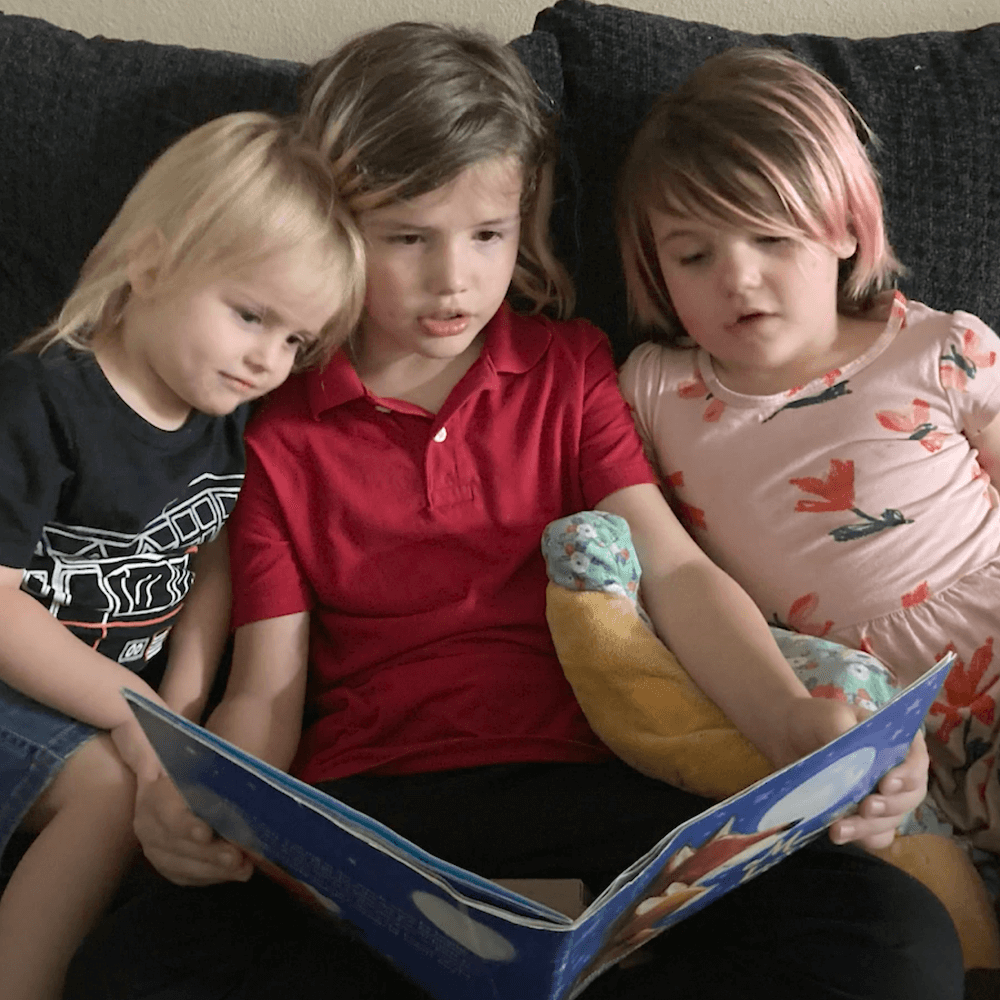
Sibling Brain Builders empowers older elementary school students, mostly 4th and 5th graders, to read to younger siblings at home.
Read article & sources →