
The first year of your baby’s life is an incredible journey.
Unlike many animals that can walk or find food right after birth, human babies are born needing us for everything. This “vulnerability” is actually a beautiful opportunity. During these first twelve months, your baby’s brain is growing at a lightning-fast pace, and the “fuel” for that growth isn’t just milk—it’s the connection they have with you.
More Than Just a Full Tummy
Think of “Punch,” a little creature who instinctively clings to a soft plushie even though it can’t feed him or keep him warm. This tells us something profound: the drive for closeness is hardwired into our DNA from day one. It isn’t a “want” or a “luxury”—it is a survival need. When we hold our children, we aren’t just comforting them; we are providing the very foundation they need to grow into healthy, happy adults.
This biological craving for touch acts as a silent language, signaling to a baby’s developing nervous system that they are safe and protected. Far from being a sign of “spoiling,” this physical closeness actually helps regulate an infant’s heart rate and lowers their stress hormones, creating the calm internal environment they need for their brain to grow. By prioritizing cuddles alongside feeding, you aren’t just making your baby happy—you are providing the essential “emotional nutrients” they need to truly thrive.
The Lesson of “Punch” and the Power of Touch
Think of “Punch,” a little creature who instinctively clings to a soft plushie even though it can’t feed him or keep him warm. This tells us something profound: the drive for closeness is hardwired into our DNA from day one. It isn’t a “want” or a “luxury”—it is a survival need. When we hold our children, we aren’t just comforting them; we are providing the very foundation they need to grow into healthy, happy adults.


“If we are to understand the nature of love, we must first understand the nature of the bond that ties the infant to its mother.”
Harry Harlow, presidential address delivered at the sixty-sixth Annual Convention of the American Psychological Association in Washington, D.C., on August 31, 1958.
Not Just Brain Building: The “Serve and Return” Game
This “game” does more than just build a brain; it creates a shared emotional language that tells your baby they are seen, heard, and valued. Each time you respond to a coo or a cry, you are reinforcing the invisible threads of trust and belonging that form the heart of a secure bond. By consistently showing up in these small moments, you are teaching your child that their world is a safe place and that you are a reliable partner they can always count on.
- The Serve: Your baby makes a noise, points at something, or cries.
- The Return: You look at them, talk back, or give them a snuggle.

The Phone Problem: When Parents Are There But Not Really There
Here’s something most of us can relate to: You’re holding your baby, but you’re also scrolling through your phone. You’re physically present, but your face is blank, and you’re not really engaging.
In our busy world, phones are always nearby. However, when we get lost in our screens, we sometimes lose that “connection” with our babies. Researchers call this the “still face”—when a parent’s face goes blank while looking at a phone, it can be confusing or stressful for a baby. Making a point to put the phone away for dedicated “eye-contact time” makes a world of difference for your baby’s peace of mind.
This doesn’t mean you can never look at your phone—it means being mindful about putting it down during playtime, feeding, and those little in-between moments when your baby is trying to connect with you.
You Can’t Spoil a Baby—Period
If you’ve heard that responding “too quickly” will spoil your baby, here’s the truth: You cannot spoil an infant. Full stop.
Crying isn’t manipulation. Your baby’s brain literally isn’t developed enough to manipulate you. Crying is their only way to say “I need something”—whether that’s food, a diaper change, or just reassurance that you’re there.
Research actually shows the opposite of what many people fear: Babies whose parents responded quickly and consistently to their cries in the first six months actually cried less by their first birthday. Why? Because they learned that their needs matter, that the world is safe, and that they can count on you. That security is what eventually helps them become more independent.
Nobody’s Perfect—And That’s Okay
Here’s some reassuring news: You don’t have to be a perfect parent. You’re going to have moments when you’re distracted, frustrated, or just too exhausted to be your best self. That’s called being human.
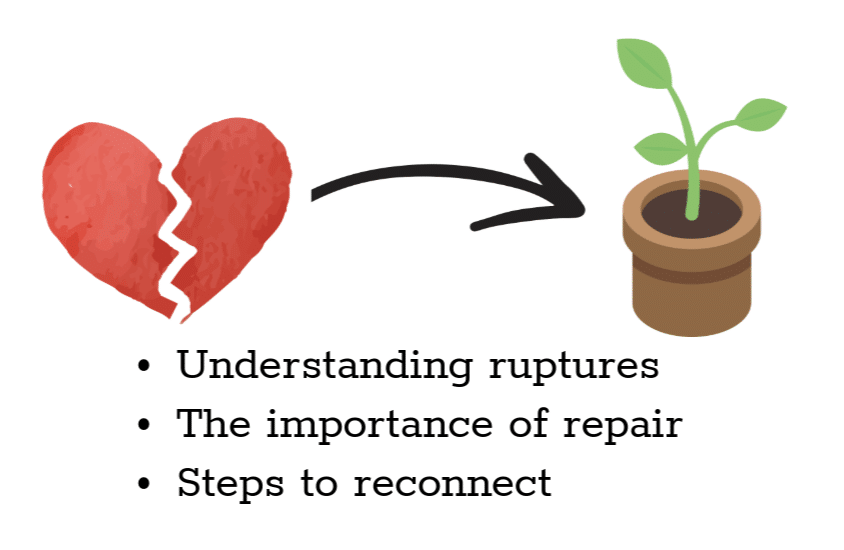
What matters is what you do next. When there’s a disconnect—what experts call a “rupture”—you simply need to “repair” it. That might mean:
- Noticing you snapped and softening your voice
- Putting your phone down and giving your full attention
- Picking your baby back up after setting them down in frustration
- Simply reconnecting with eye contact and a gentle touch
The Bottom Line
The way you respond to your baby in this first year—the cuddles, the conversations, the silly faces, the comfort after tears—isn’t just about making it through the day. You’re building the foundation for how your child will handle stress, form relationships, and navigate the world for the rest of their life.
So the next time your baby reaches for you, know that you’re not “giving in” or “creating bad habits.” You’re doing exactly what nature designed you to do: building a brain, one loving interaction at a time.
You don’t have to figure this out alone. The Build a Brain Project is where families come together to access real education and clinical science — on their schedule, in their corner. Come find your people.